Lucas Santtana
Brasiliano
No Format
Review by John Alan Urquhart
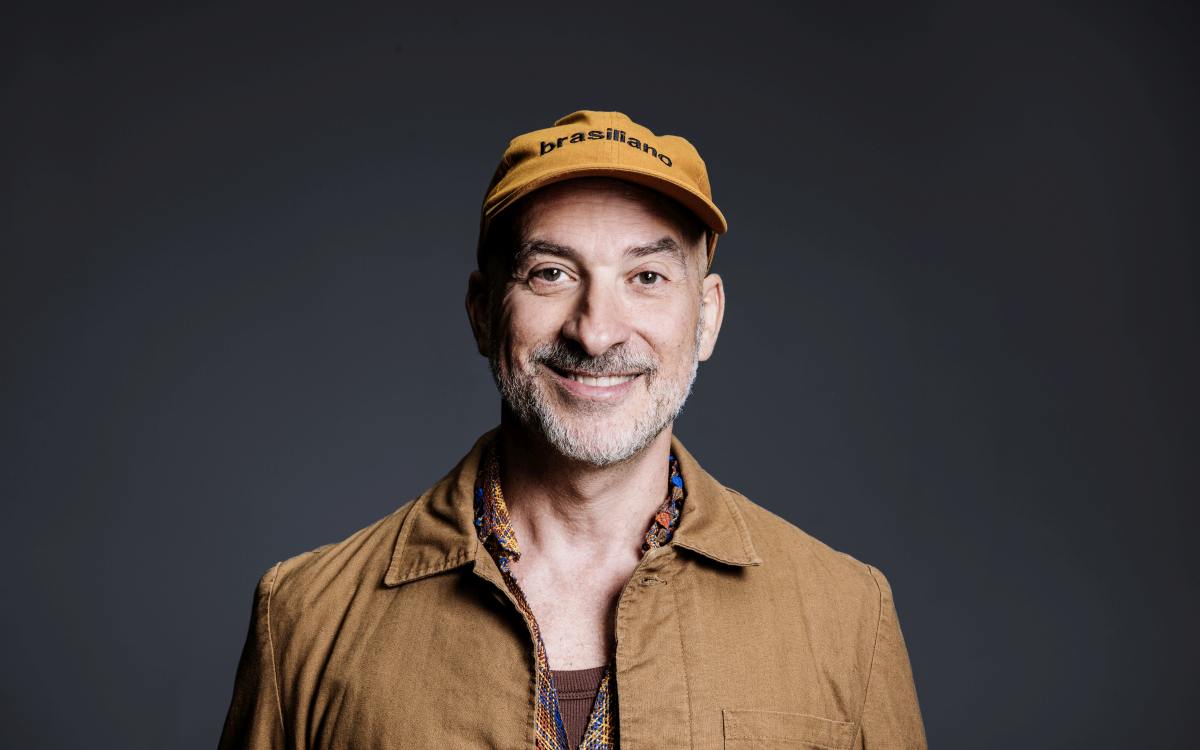
Photo: José de Holanda

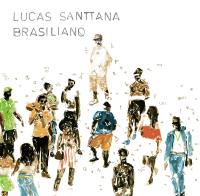
After nine previous albums and a 25-year career at the forefront of world music, Lucas Santtana is fluent in the many genres of Brazilian music. His new project, Brasiliano, is a musical exploration of the languages of Brazil. With songs sung in Portuguese, French, English, Spanish, Occitan, Cape Verde Creole, and Tupy-Guarani, a Brazilian native language, Santtana has assembled guest lyricists and vocalists representing a range of musical and linguistic influences. The result is a warm and compelling musical treatise on the diverse cultural history of Brazil, expressed through the Brazilian variant of Portuguese, best described as Brasiliano.
Returning to his roots, the opening cut and lead single “A história de nossa língua” features Gilberto Gil, a national treasure with whom Santtana worked early in his career. As the liner notes explain, Brasiliano, the language, is depicted in the song as a feminine character meeting other people (languages) on her travels, tracing the history of the language as an offshoot of Latin, including “Occitan, Celtic, Galician, Portuguese, Mozarabic, and others. The chorus features Indigenous words that are part of everyday Brazilian culture: Itapuã, Ipanema, Maracanã, Capoeira, etc.” This song acts as a sort of abstract for the dissertation to follow.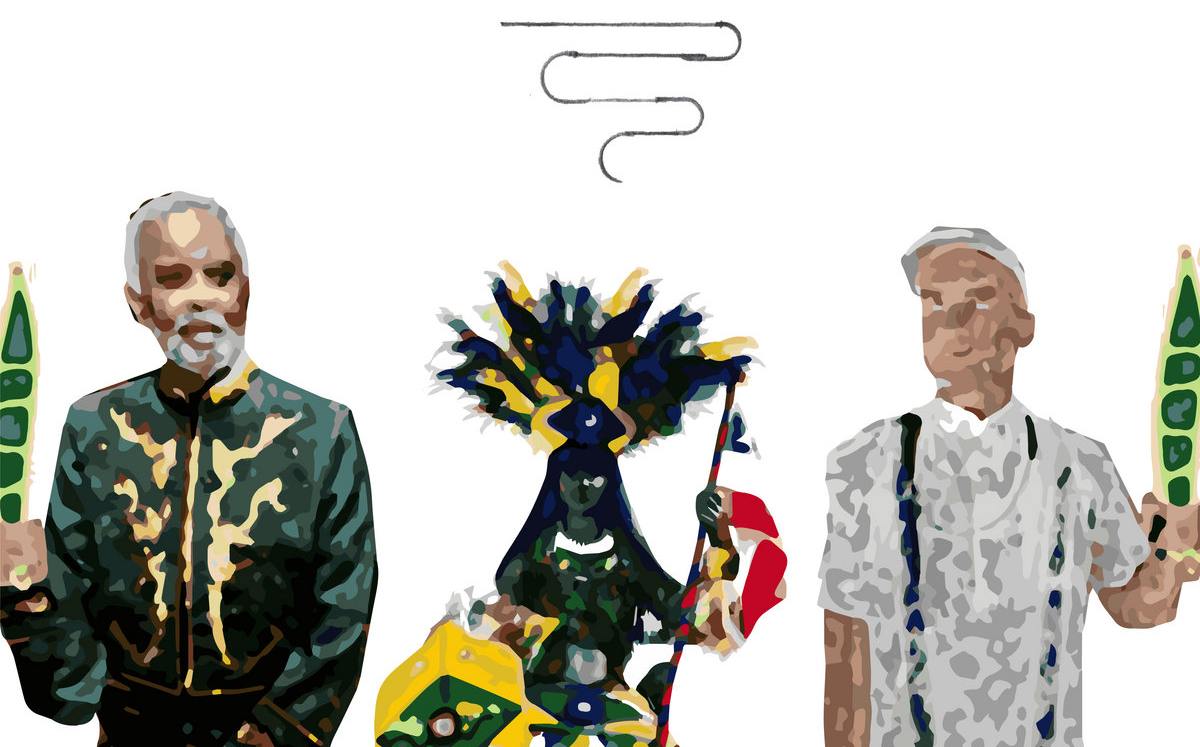
Santtana and Gil call and respond over what has become the composer’s trademark mixture of detailed, layered, human-played instruments, including on this track violins and violas, piano, guitars, mellotron, and synths. Throughout the record, Santtana creates an inviting effect with a contemporary gloss, combined with the warm resonance of wood, drum skins, wire strings, sticks, bows, and voices. The album features a range of styles, from the lively party track “Ver meu povo se abraçar” to the convincing reggae of the second single, “Que seja um reggae”. With sophisticated songcraft and inspired arrangements, the songs remain inviting and accessible.
Fitting with the theme of the interrelationships among languages, Brasiliano is a celebration of international collaboration. For example, “Independência” features Karyna Gomes, a singer from Guinea-Bissau; Anglo-French performer Piers Faccini sings “Battre des ailes” accompanied by an appropriately French-sounding accordion; and popular Brazilian singer Flavia Coelho is featured on “Dans le sud feat”. The gentle “Strati di tempo” is the closest to Santtana’s earliest singer/guitarist style, with Italian star Dimartino taking the lead vocals.
Like his popular previous recording O Paraíso (2023), which was concerned with the environment, Brasiliano is a concept album that explores the role of linguistics in culture. And like on O Paraíso, Santtana is never preachy. The high-minded intellectual roots of the project are made palatable by the creative and appealing music assembled to tell the story. It is a message of inclusion, collaboration, and the joy of our shared occupancy in this place and at this time. With many languages, many musical styles, and the artistry of many talented and effective musical partners, Brasiliano is a remarkable achievement in curation and musical skill with a compelling contemporary message.
Subscribe and Support RootsWorld