What's Old Is New
A Second Look at Some World Classics by
Baaba Maal & Mansour Seck, Astor Piazzolla and Amalia Rodrigues
By Marty Lipp
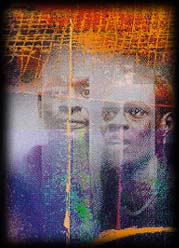 We are faced with an embarrassment of riches, particularly since these three talented artists - beloved around the world - have until recently gained only marginal notice in the United States. When world music began making ripples in the American market 10 years ago, one of the albums to gain a cult-like following was a spare-sounding, bluesy recording from a former Senegalese art student named Baaba Maal. While Maal has subsequently become known for his electrification of traditional music and his exuberant concerts, Djam Leelii (Palm Pictures / www.islandlife.com) is a triumph of rootsy simplicity.
The disc - with four additional songs not on the original LP - is mostly just Maal and his longtime collaborator, Mansour Seck, singing and playing acoustic guitars, sometimes accompanied by minimal percussion. The music, though, creates a very distinct ambience, sounding almost ancient in its handmade soulfulness.
Maal's keening, Arabic-tinged vocals are usually the focus - they soar over the gentle but inexorable groove created by the duo's rolling, hypnotic finger-picking. This classic African recording may be an acquired taste for some, but it could be a perennial favorite for a few willing to give this cousin of the blues a chance.
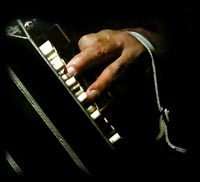 One of the most important artists of Argentine tango is the late composer and bandoneon player Astor Piazzolla, who almost single-handedly reinvented the genre by taking it from dance halls to concert halls. Tango - born in the bordellos of 19th-Century Buenos Aires - had been solely a dance-oriented musical form, but the Bronx-raised Piazzolla combined it with elements of classical music and jazz. Despite death threats from tango purists, Piazzolla brought the genre new respect from audiences around the world.
Tango: Zero Hour (Nonesuch / www.nonesuch.com) was recorded in 1986 by Piazzolla and his longtime and like-minded collaborator, the New Tango Quintet. The players use tango's dark, brooding romanticism to create music that is intellectually and emotionally arresting. Within just one of Piazzolla's sprawling compositions, the musicians create an array of textures and dynamics, moving deftly from jaw-clenching, thunderous rhythms to diaphanous, lyrical passages. Piazzolla called this his greatest album, but it has been difficult to find for years, despite the resurgence of interest here in tango. Listeners, however, should not expect an album they can slap on and dance to: This is complex, sophisticated music that is fully appreciated with attentive listening.
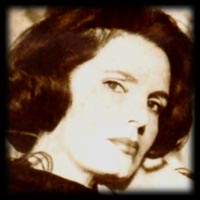 Amalia Rodrigues - virtually unknown here and now in her late 70s- is the pre-eminent exponent of Portuguese fado, a traditional, highly dramatic genre that can sound like a cross between the blues and opera. Just as Edith Piaf towers over all French popular singers, Rodrigues has long been the reigning diva of Portugal.
The Art of Amalia Rodrigues (Hemisphere /EMI) is a fine, representative collection culled from her prime years, 1952 to 1970. In a somewhat cruel irony, when Rodrigues began her career some 60 years ago, recordings were made with primitive equipment that did her little justice; as technology improved, the power of her voice diminished. Fortunately, this collection has electronically cleaned up her early and mid-career recordings of both traditional fado and popular songs.
On most of the songs, Rodrigues is accompanied by little more than jangly Portuguese guitars and mandolins. But against that spare, melancholy background, Rodrigues calls forth the room-filling torrent that is her voice. No, this not happy music. This is high drama, but it is more stunning than saddening. At her window-rattling best, Rodrigues sounds as if she were standing defiant, shouting down the winds of fate themselves. Rodrigues may not be for those with a musical sweet tooth, but for those who like their music served up searing, this little-known singer could very well be a revelation.
Marty Lipp writes for Newsday in New York, and is a regular contributor to RootsWorld